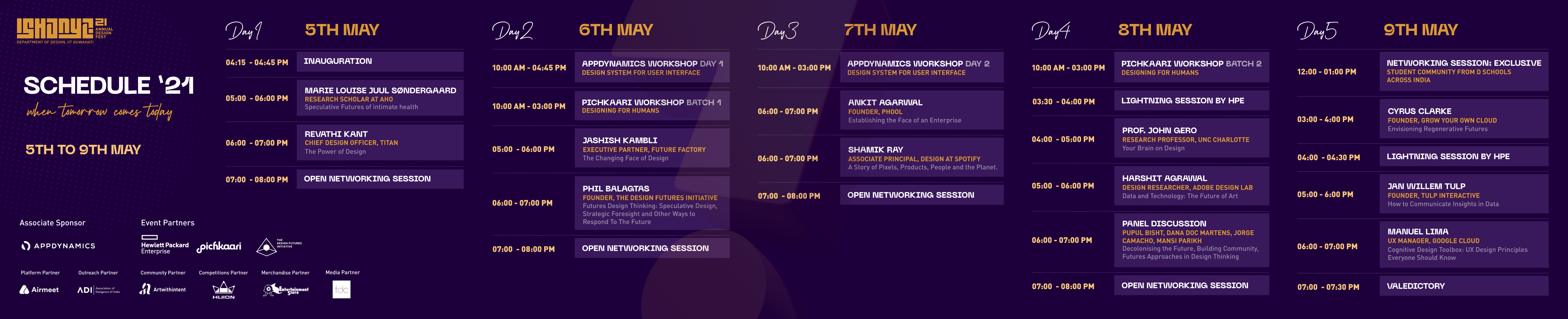

UNC Charlotte
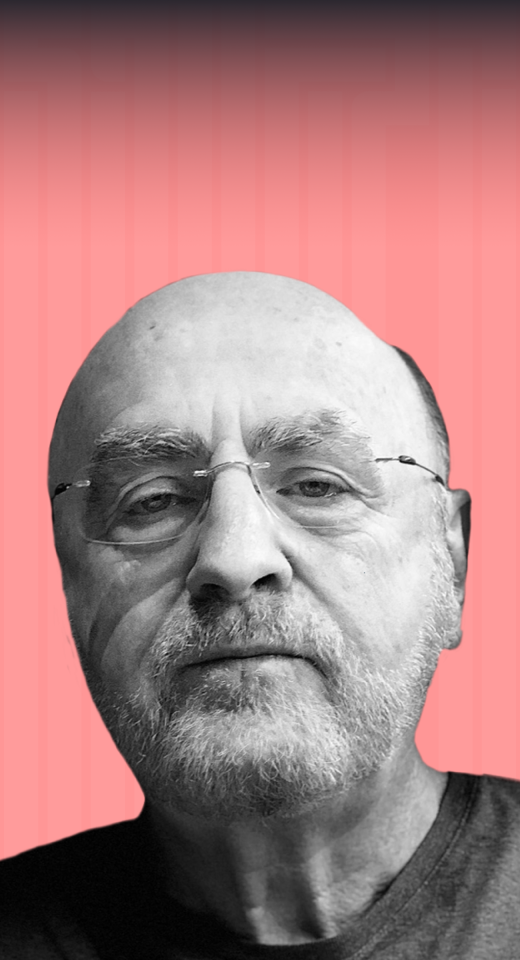
John Gero is a Research Professor in Computer Science and Architecture at the University of North Carolina at Charlotte.
He is the chair of the international conference series Artificial Intelligence in Design, the conference series Design Computing and Cognition and the international conference series Computational and Cognitive Models of Creative Design.
Professor Gero is an international consultant in the fields of design research, design cognition and neurocognition, computer-aided design, artificial intelligence in design and technology policy.
The Neurocognition of Designing”
Jan Willem Tulp, a data experience designer who creates data visualisations, has helped organizations like Scientific American, Popular Science and Nature to deliver scientific research to a broad audience using data visualisation. He has assisted Philips, Amsterdam Airport Schiphol and Marktplaats find and communicate insights in data by creating lightweight custom visual analysis tools and also helped organizations like UNICEF, UNESCO, World Economic Forum and Gavi convey significant messages to general public. His work has been exhibited at various venues and has appeared in different books.
insights in data”

Google Cloud - Datavis & VISD
Manuel Lima is the Design Lead and Startup Mentor at Google. An RSA Fellow and TED Speaker, Lima studies design and information to create incredible visualizations and mapping.
He is an excellent instructor, educator and is also the author of 3 bestseller books: Visual Complexity, The Book of Trees and The Book of Circles.
This talk will cover a comprehensive list of design principles and guidelines in order to better organize, display, memorize, and ultimately, interact with information. Manuel will pull from a variety of fields and practices, and showcase multiple examples from different products, platforms and services.

Adobe Design Lab
Harshit is an artist working with artificial intelligence and emerging technologies. He is India’s first artificial intelligence artist, being the only Indian artist among 7 international AI art pioneers in the world’s first A.I art show in the contemporary gallery, Gradient Descent at Nature Morte.
In his practice, he uses machines and algorithms and often creates them as an essential part of his art process, embracing becoming the cyborg artist.
The Future of Art”

Grow your own cloud
Cyrus Clarke is a designer, artist and futurist with a background in economics and digital technologies. He is passionate about reforming human–nonhuman relationships by establishing new models of cooperation between human beings, living systems and inanimate technologies. Looking to the natural world for inspiration, he seeks to promote futures rooted in biological wisdom, through a deep partnership with nature, towards the strange and uncanny.

HPE
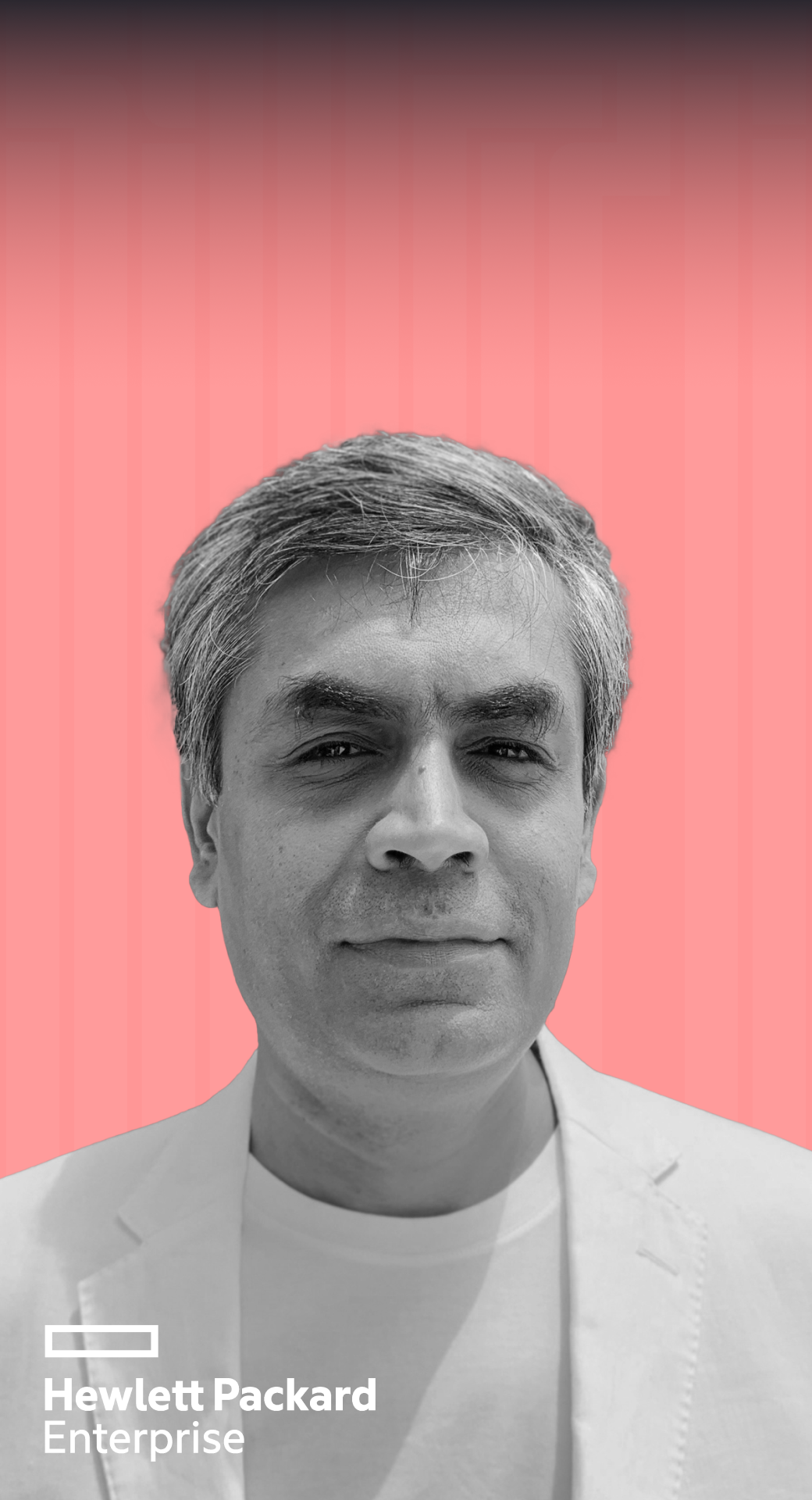
Jayanta Mukherjee is the India R&D Site Leader for the Communications Technology Group (CTG) of Hewlett Packard Enterprise (HPE). In his R&D Site Leadership role, Jayanta works on the global CTG R&D agenda, which includes building Software Products and Platforms for the 4G and 5G networks, innovate on product Customer Experience and grow World class Engineering Talent.
HPE
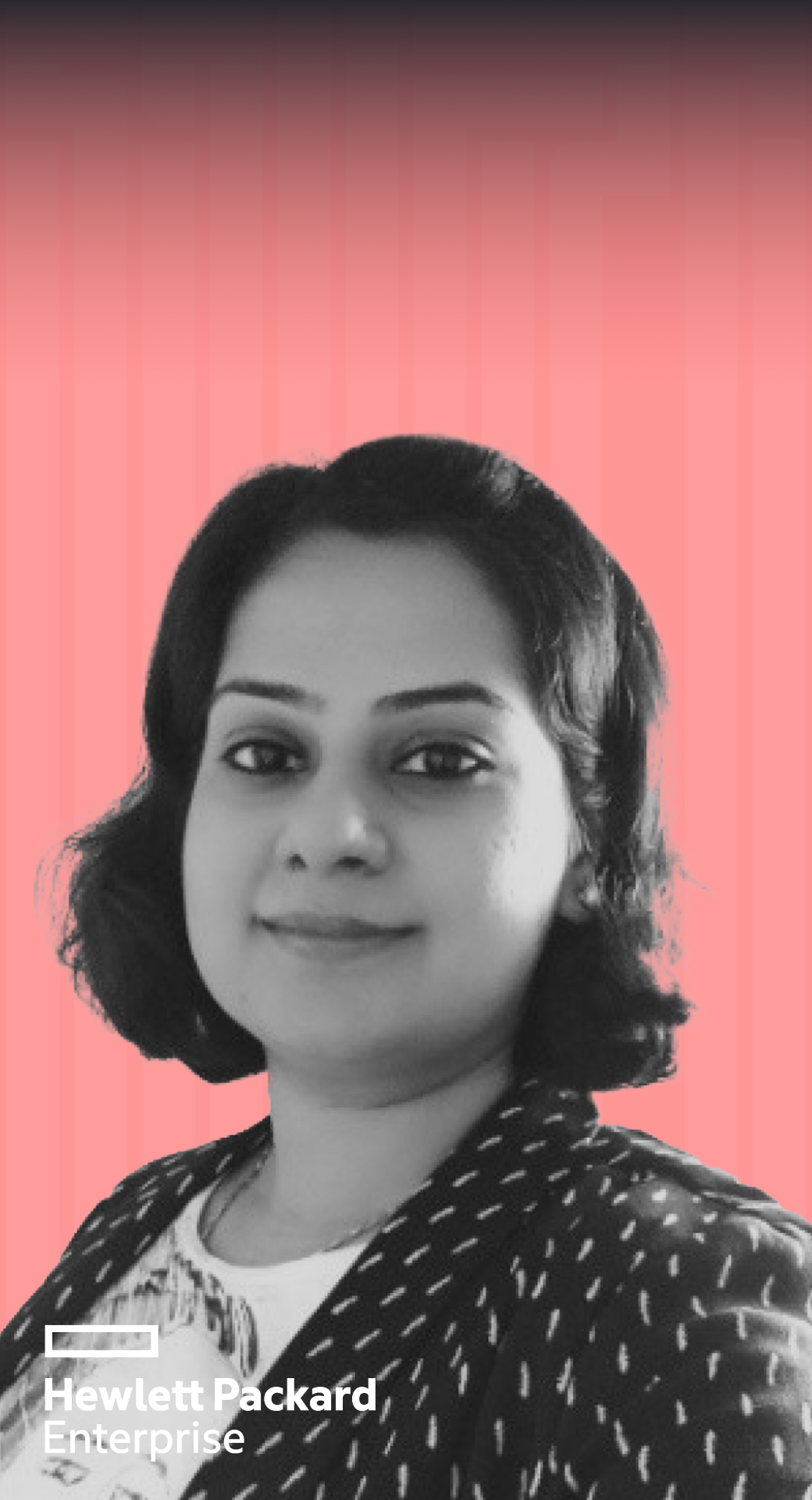
Parul Tyagi has been leading HPE Experience Studio design team for over 4 years now. With total 16+ years of IT industry experience, she specializes in the application of human-centered design and research practices to solve enterprise UX challenges.
Juul Søndergaard
The Oslo School of Architecture and Design (AHO)
Intimate Health”
Dr. Marie Louise Juul Søndergaard is an interaction designer, design researcher and scientist working at The Oslo School of Architecture and Design (AHO), Norway. Through speculative and feminist design, she explores the future of intimate technologies for menstrual and sexual health. Her work raises questions related to gender and sexuality, and the political, cultural and ecological aspects of future technologies such as conversational agents, wearables, and AI/ML. She is also the co-founder of the Speculative Futures Stockholm Chapter, and a BioArt Coven member.

Titan Company Ltd.
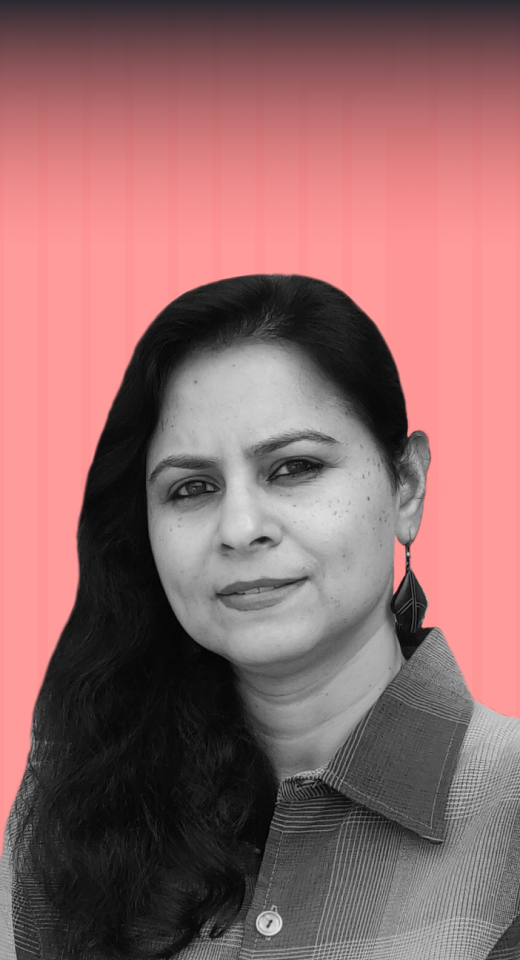
Revathi Kant is a Design & Innovation strategist with over 15 years of experience in applying Design Thinking. She is a firm believer of disruption with design and is excited about how design can impact and elevate lives.
A marketing veteran, and a multifunctional hybrid thinker, she has the knowledge and experience of transforming insights grounded at the intersection of Business, User benefits and human psychology into innovative strategies and offerings that lead to revenue growth.
She was featured in the “W-Power Trailblazers 2019” list by Forbes India.
Future Factory
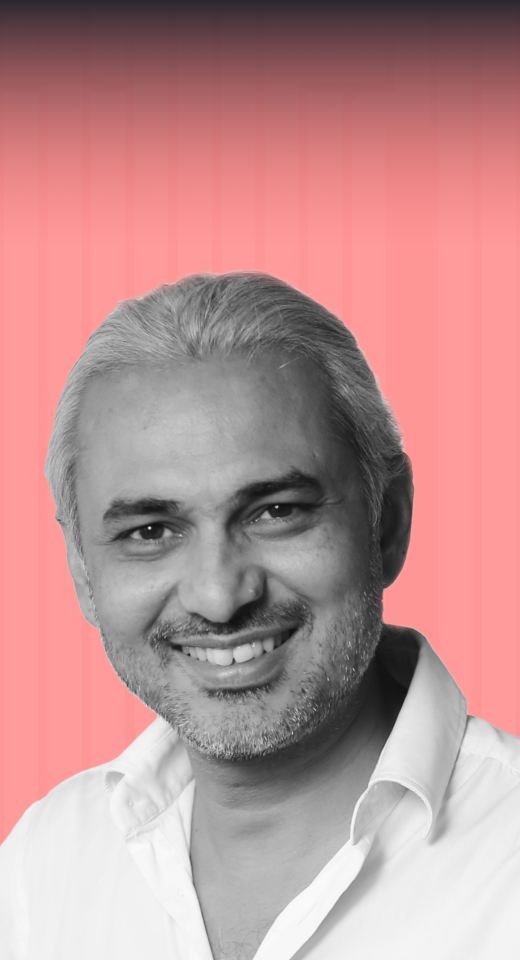
Jashish Kambli is the founder of Future Factory, one of the Asia's leading innovation & design firms. With 2 decades of global award-winning experience,
Jashish is known for his design of iconic products such as a low-cost insulin pen, offgrid refrigerator, and other remarkable innovations. He is committed to create a better world by design.
Design”
Design Futures Initiative
Phil has been a Visual & UX Designer since 2001 and has experience designing across a variety of devices and platforms. He recently served as Experience Design Director at McKinsey & Co. and Digital Design Director at General Electric (GE) Aviation.
He is also the founder of The Design Futures Initiative (DFI), a nonprofit that organizes the international Speculative Futures meetups and PRIMER conferences in the US and Europe. An educator and futurist, his events bring together designers, futurists, and strategists from all over the world to teach and speak about designing for the future and the ethical challenges around emerging technologies.

Design at Spotify
Shamik is a design leader whose career has taken him on journey across the worlds of startups, academia, finance and tech companies. In his current role at Spotify, his mission is to help create the next generation of audio products that foster meaningful connections between creators and fans.
He also teaches Design prototyping at summer schools around the world in places like Costa Rica, Denmark, Japan and India. Currently based in Sweden, he finds creative inspiration from diverse sources like visual cultures, culinary arts, nature and often the antics of his toddler son.
People and the Planet”

Phool
Ankit Agarwal is the Founder-CEO of phool.co, a social enterprise that has pioneered the "flowercycling" technologies to reduce the pollution in the Rivers Ganges, by up-cycling the vast quantities of flower temple-waste in India. Plhool.co employs women who were previously manual scavengers, to sort the flower waste and hand roll the popular incense sticks. This transformational disease-free employment enables these women to shun lives in which they jump neck deep into clogged sewers & scrape human faces from dry toilets.
an Enterprise”


Next Generation Foresight Practice
at SOIF
Founder,
Decolonizing Futures Initiative
In 2018, Pupul won the inaugural Joseph Jaworski Next Generation Foresight Practitioners Award for her novel approach to foresight inspired by the Kaavad folk-storytelling tradition of India. As part of the award, she has launched the Decolonizing Futures Initiative that aims to engage marginalized communities in a conversation about their preferred futures in order to inform and inspire inclusive innovation & decision making in the real-world.

Design Futures Initiative
Director/UX Designer,
Teach For America
They currently work as a UX Designer at Teach For America by day, and an Adjunct Professor at Parsons School of Design by night, designing educational initiatives and consulting on the role of technology-led design for social impact entrepreneurship.

Diagonal Estudio

Innovation & Foresight Strategist,
Future Tense Inc.

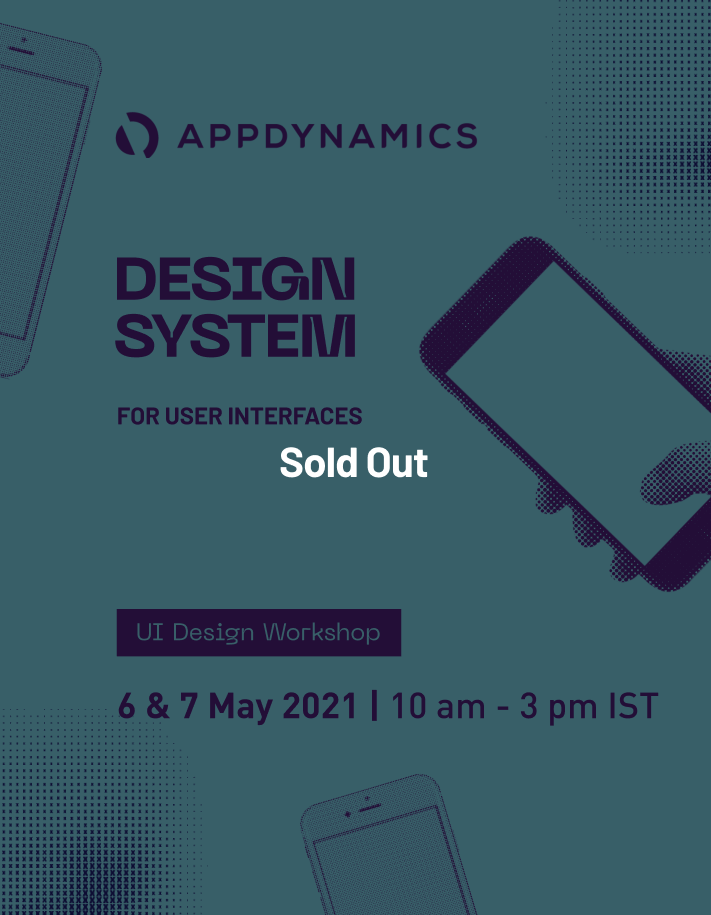
Design system for User Interfaces
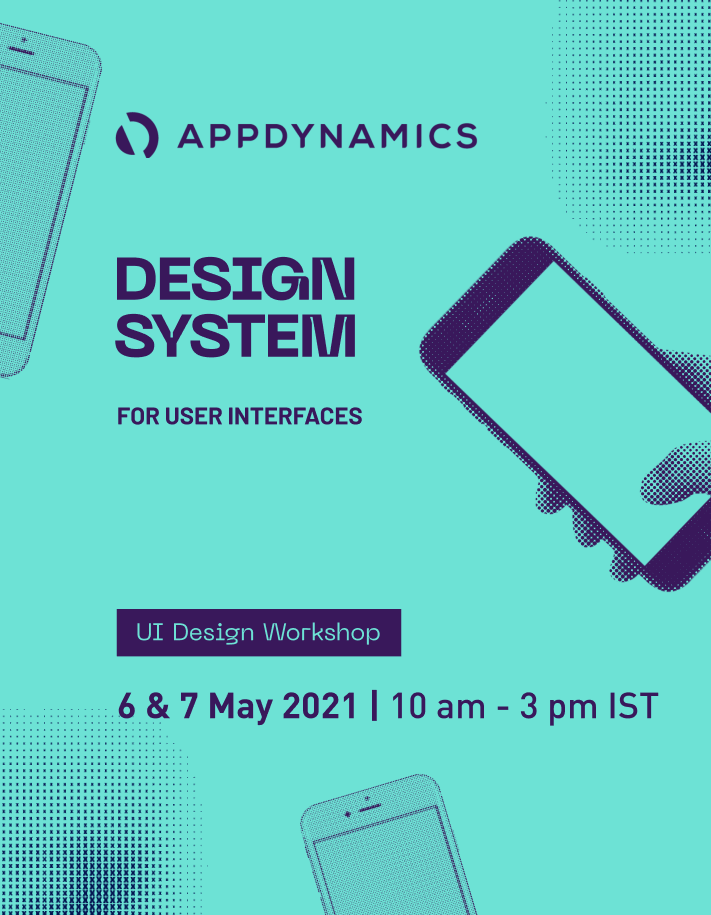
Accelerating the design process while reducing design debts, learn how a well maintained design system can bring products to life. The workshop has three sessions and is aimed at beginners, covering:
-Collaboration within the team
-Using design patterns to speed up your process
-Crafting visuals, workflow, content, etc. to support holistic experiences
And more
Prerequisites:
- Basic understanding of Figma
Designing for humans in the age of data, automation, and abundance
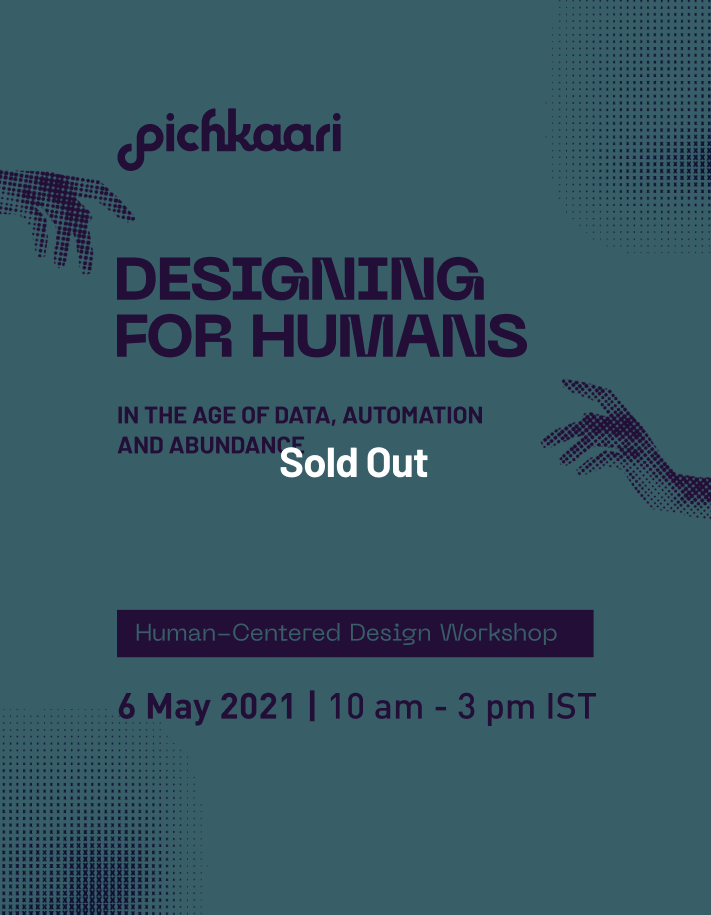
With tech getting smarter and the recent development in AI and automation, this interactive session will examine how humans and intelligent machines and systems should co-exist, and how the role of designers is evolving.
This workshop is aimed at beginners and aspirants in the field of human-centered design.
The workshop will be a four-hour session, covering the following topics:
-The relationship between humans and tech
-The relationship between data and insight
-The relationship between creative intent and creative intelligence